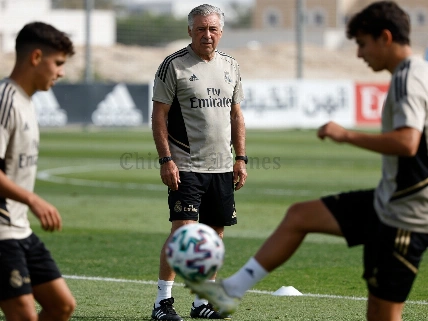
Al Wasl puts Noor Dubai on its AFC shirt
Al Wasl will carry the Noor Dubai Foundation logo during its 2026/27 AFC Champions League Elite campaign. The foundation says it has helped more than 33 million people worldwide.

Al Wasl will carry the Noor Dubai Foundation logo during its 2026/27 AFC Champions League Elite campaign. The foundation says it has helped more than 33 million people worldwide.
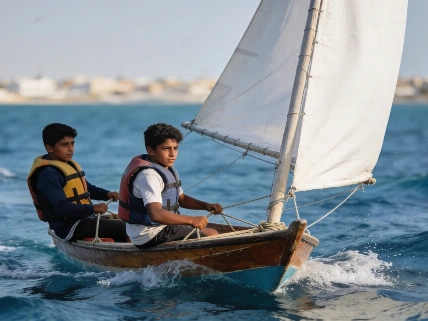
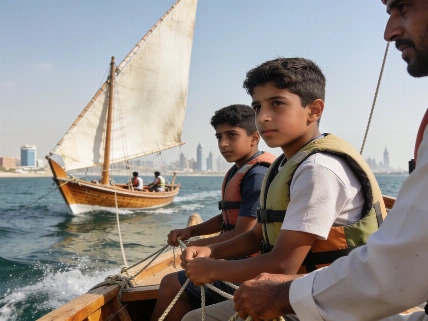
Kabous 87 won the junior title and Zurich 120 took the youth crown at Dubai's first 22-foot sailing race of the season.
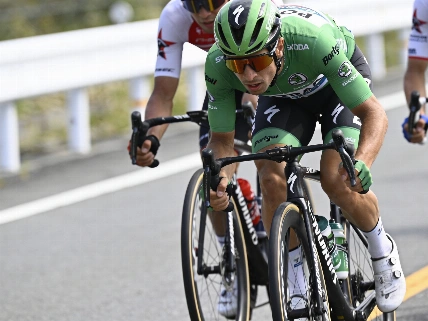
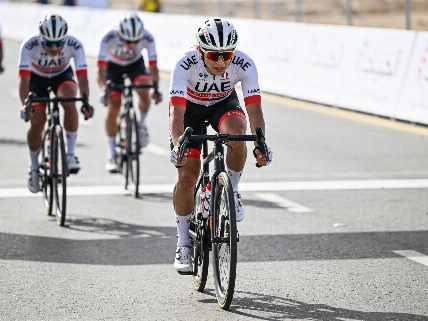
Ivo Oliveira won stage two in 3:03:31 and moved into the overall lead. Reports put him seven seconds ahead of Luke Mudgway, though they differ on the exact gap.
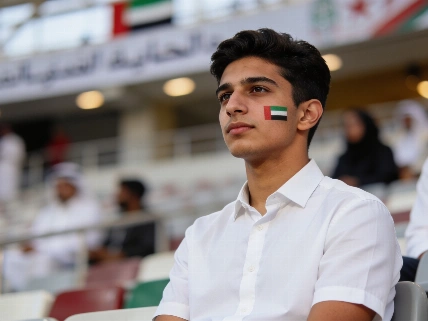
Sheikh Hamdan bin Mubarak Al Nahyan said sustained leadership backing helped develop generations of UAE athletes. He thanked national-team supporters and congratulated Saudi Arabia after its 2-0 Gulf Cup 27 final win.
The published groups appear to name nine clubs despite an announced field of eight. Available results do not independently confirm the tournament or its scheduled opener.
Officials worked through game scenarios at the association's Dubai headquarters on October 9. Every first-division club was represented.
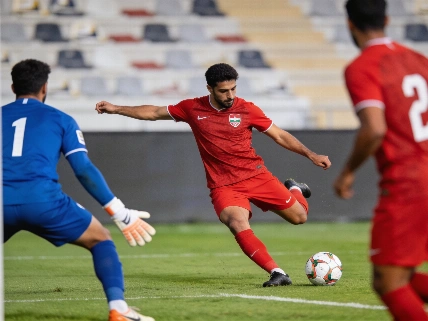
Mohamed Juma, known as Pele, scored in the 83rd minute to give Ajman a third straight cup win and a share of the lead. Al Jazira drew 0-0 with Sharjah after Cornado's penalty was saved.
Moraes says Caio Lucas could resume training in about two months, but will not play before December. Sharjah drew with Al Jazira after missing a penalty.
The UAE Marine Sports Federation has hired Siren to organise the December 2026 Euro Cup. The announcement names no venue or exact race date.
Vladimir Ivic says some Al Ain regulars offered less than their teammates in the 2-2 draw with Kalba. He plans to speak with the players he had in mind.
Announced on 8 October 2026, Emarat's sponsorship will fund community and sports activities linked to Shabab Al Ahli. The announcement gives no timetable or details of individual events.
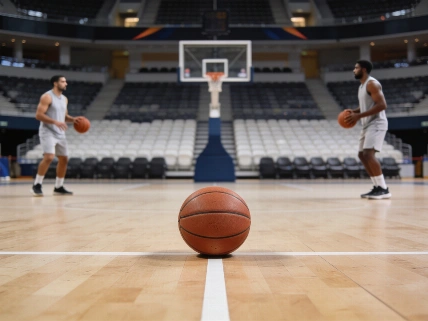
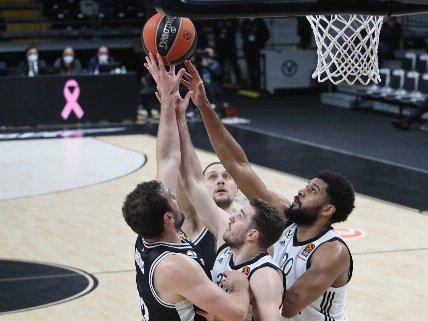
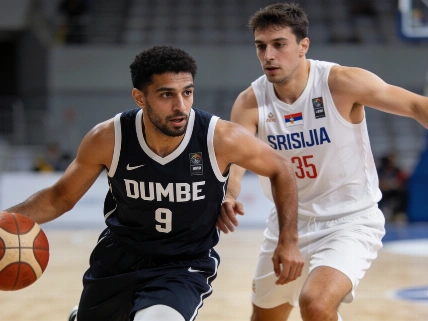
Dubai lost 77-58 after Red Star opened the third quarter with eight unanswered points. Dubai shot 32.8% from the field, despite making 81.2% of its free throws.
The UAE added two golds and a silver in Syria, bringing its Arab Cycling Championships tally to eight. The competition was still underway.
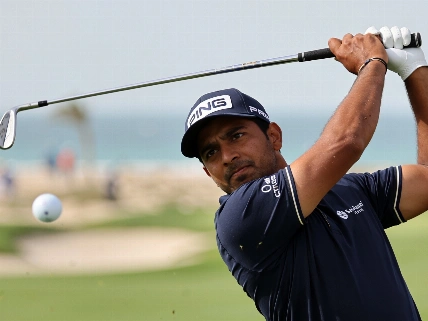
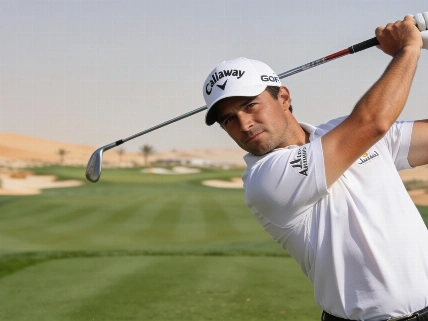
The defending champion returns to Yas Links from 5 to 8 November. The event opens the DP World Tour's season-ending qualifiers, with 70 players chasing 50 places in the Dubai finale.
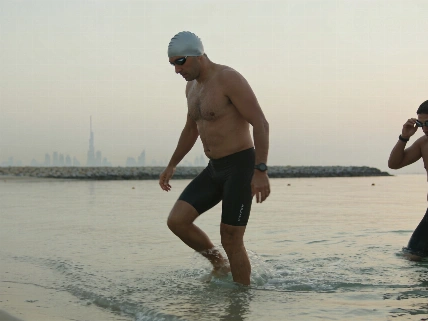
The race starts at Al Mamzar Beach Park at 6:30am on 11 October 2026. Organisers describe it as a qualifying event for the 2027 World Championships in Hamburg.
Shabab Al Ahli beat United 2-1 at Rashid Stadium on October 8, earning five points after two draws. United had more possession but put only three shots on target.
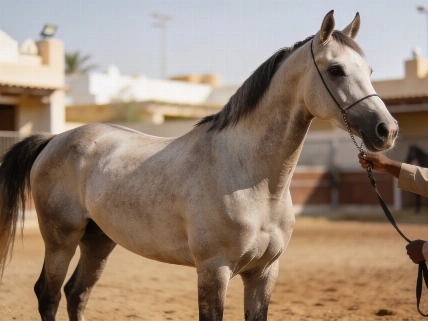
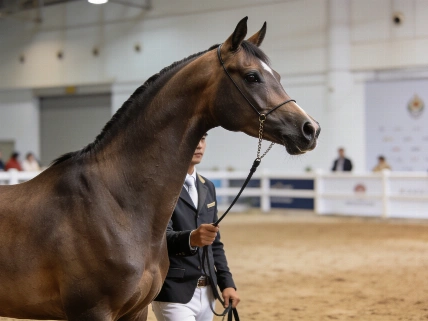
Dubai Arabian Horse Stud will put 55 horses up for auction on 10 October. Buyers can inspect them in the morning before bidding begins at 4pm, in person or online.
Patrick Reed will play the DP World Tour Championship in Dubai from 12 to 15 November, looking to protect his Race to Dubai lead after wins at the Hero Dubai Desert Classic and Qatar Masters.
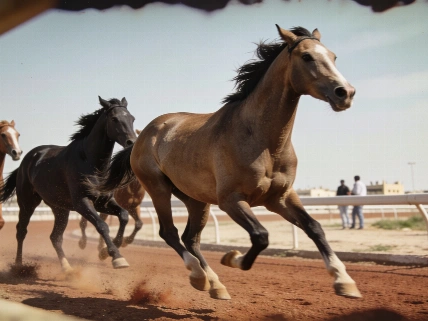
Latakia will host the 16th stop of the 33rd President's Cup series on October 9 and 10, the event's first appearance on a Syrian racetrack. Sixteen horses are entered in the Cup race, and the two-day festival programme includes 15 races.
Al Madam won the eighth Sharjah Sports Council Archery Championship with 17 medals. A total of 90 competitors from eight clubs took part in recurve and compound events for age groups from under-10s to open.
AJ Sbran won the stallion title at the fifth round of the Emirates Arabian Horse Global Cup in Shanghai. The two-day event featured 81 horses and formed part of the 2026 Shanghai International Horse Culture Carnival.
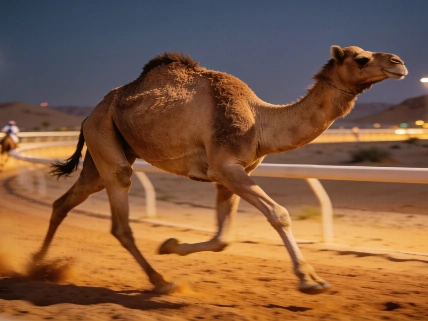
Wad won the open Thaniya al-Abkar Cup and Al Saree took the open Thaniya al-Qa'dan rifle at the Al Ain Camel Racing Festival 2026. Six evening races of 6km each were held at Al Rawdah.
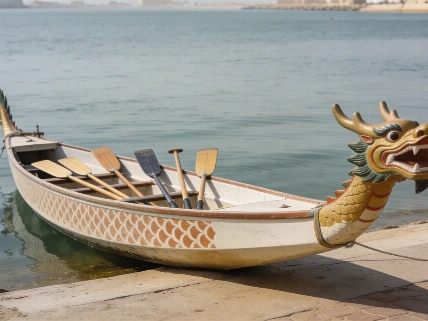
Dubai's local marine racing season opens Sunday with the first round of the Shindagha Race for 22-foot traditional sailing boats. A mandatory briefing for competitors is set for Friday.
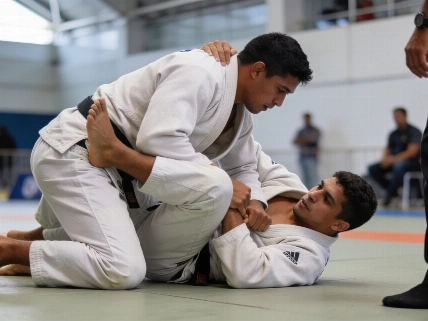
Hundreds of athletes competed in AJP tournaments in Cartagena and Quito, with EDGE Group support. The events gave clubs and academies across Latin America more chances to compete and earn ranking points.
After home wins over Real Madrid and Barcelona, Dubai Basketball returns to Coca-Cola Arena for a shot at a third straight victory there. Crvena Zvezda arrives fresh from its first EuroLeague win of the season.
The University of Sharjah excused students from lectures so they could attend the Gulf Cup 27 final in Jeddah. Students had to send the university director a copy of their match ticket as proof of attendance. Saudi Arabia beat the UAE 2-0.
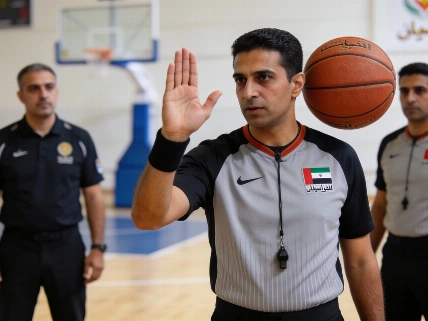
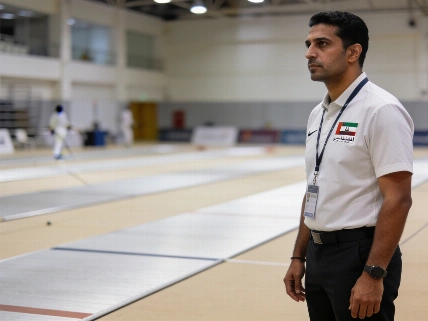
The International Fencing Federation has named UAE official Ali Al Hammadi its rising referee of the year in épée for 2026. He is due to receive the honour at the federation's November congress in Hungary.
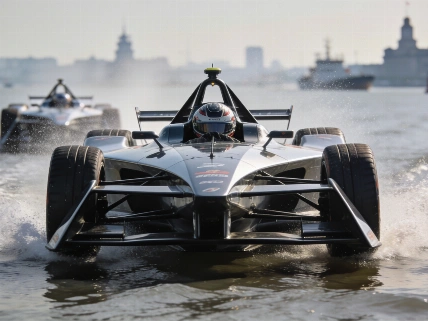
Stefan Arand and Grant Trask finished second and third at the Shanghai Grand Prix. Arand now leads the drivers' standings on 60 points, while Sharjah sit second in the teams' standings with 84.
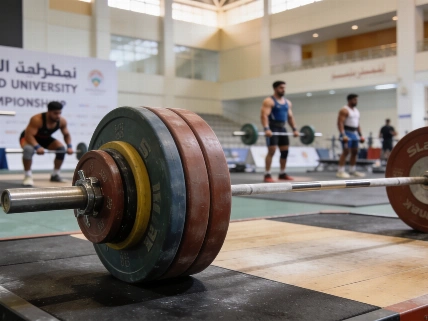
Competitors are expected from countries around the world for the championships, scheduled for 26 to 30 November. The event will also give visiting students a chance to experience Sharjah's culture and values.
Al Jazira have reportedly appointed former Barcelona youth football director Jordi Roura to lead their academy. He is said to have started work on 1 October, but the available search results did not independently verify the appointment or details of his role.