
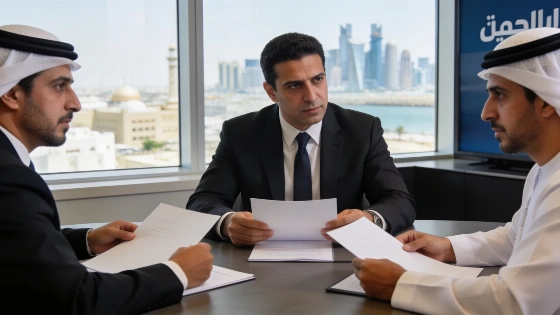
With Khaliji 27 about to start in Jeddah, Abu Dhabi Sports is close to sealing a late deal to show the tournament. The network's crew was already at the event's media centre on Tuesday. That move sparked talk that an official announcement could come just hours before the first match.
Getting to this point was not easy. The company that owns the TV rights first asked Gulf broadcasters for $3 million to air the matches. Abu Dhabi Sports and other regional channels-Saudi Arabia, Kuwait, Dubai, and Bahrain-rejected that price. They offered about $1.5 million instead. The rights holder turned that down, according to Asharq Al-Awsat.
At a press conference before the tournament, Gulf Cup Football Federation Secretary General Jassim Al-Rumaihi confirmed that, as of that moment, only Qatar's Al Kass, Oman Sports, and the Shasha platform had secured broadcast rights.
Even with talks stuck, the mood inside the Jeddah media centre changed. Abu Dhabi Sports' team was visible, and signs from the negotiations looked positive. The UAE broadcaster now seems close to getting the rights for its viewers. This could change how fans in the Emirates watch the Gulf's top football event, especially with the tournament about to begin. The National reported that in September 2026, Abu Dhabi Sports and Dubai Sports were both expected to show the tournament in the UAE and other regional markets. But as of September 22, Abu Dhabi Sports had not made anything official.
High-stakes rights talks like this are common in the region. As reported earlier, big UAE sports events often come down to last-minute deals, with TV access shaping how fans connect and how sponsors get involved. The Khaliji 27 negotiations show how Gulf broadcasters are pushing back as rights fees climb.
A key precedent in these negotiations is the long-standing partnership between Al Kass and the Gulf Cup, with the Qatari channel having covered the tournament since Khaliji 18 in 2007 and maintaining its presence in subsequent editions. This historical relationship has influenced the dynamics of current rights discussions.
Abu Dhabi Sports' refusal to pay higher fees shows a tougher approach from regional broadcasters. They are no longer just accepting what rights holders demand. If the deal goes through, it will be a big win for UAE viewers and will strengthen the network's role in Gulf football. It will also set a new standard for future talks, showing that broadcasters are ready to push back to keep fans connected to the region's biggest games. Jassim Al-Rumaihi also said publicly that the rights holder had not raised the price compared to Khaliji 26. He stressed that the federation is still open to more broadcasters, as reported by Al Bayan.